
Gaming Phones Under 25,000
Unlock enhanced gaming horsepower and fluid visuals with the best gaming phones under 25,000, featuring capable performance choices like Xiaomi Redmi 15 (₹20,499) up to advanced gaming powerhouses like Nothing Phone 3a (₹24,999). Leading manufacturers like Realme, POCO, Motorola, Lava and Nothing integrate high-refresh AMOLED displays, robust cooling technology, and snappy chipsets.
Whether you are tackling competitive mobile esports or immersive titles, explore our curated selection of realme P4x, POCO M8, Moto G57 Power, Lava Virat Curve 5G and Moto g max 5G to find your ideal device. Stay updated with the latest releases and price drops, perfectly refreshed on November 27, 2026.
Price list of Gaming Phones Under 25,000
realme P4x
₹22,875
POCO M8
₹23,420
Moto G57 Power
₹21,999
Lava Virat Curve 5G
₹22,999
Moto g max 5G
₹21,499
Nothing Phone 3a
₹24,999
Infinix Hot 70 Pro 5G
₹22,449
Oppo K13 5G
₹21,999
POCO M8 Power 5G
₹22,482
Xiaomi Redmi 17C 5G
₹20,687
Oppo K14 5G
₹23,649
Samsung Galaxy A17 5G
₹23,870
realme P4R 5G
81 TS Score

MediaTek Dimensity 6300
144 Hz, LCD
50 MP Camera
8 MP Selfie
8000 mAh | 45W SuperVOOC Charging
603,211 AnTuTu Score
7.9/10
8000 mAh battery
Pros
8000 mAh battery, 144Hz refresh rate, 45W charging, IP65 protection, expandable storage up to 2TB
Cons
HD+ resolution on a 6.8-inch screen, no OIS, 224g heavy body, no NFC
Verdict
The realme P4R 5G is a battery-focused phone that gets several important things right. Its huge 8000 mAh battery, 45W charging, 144Hz display and IP65 protection make it a strong choice for long daily use. Performance from the Dimensity 6300 is decent, but it is not aimed at demanding gaming. The biggest compromise is the HD+ LCD resolution, which feels less impressive on such a large screen. The 50MP camera is usable, though the lack of OIS limits its camera appeal. Overall, it is a practical endurance-focused 5G phone.
Moto G77 Power 5G
74 TS Score
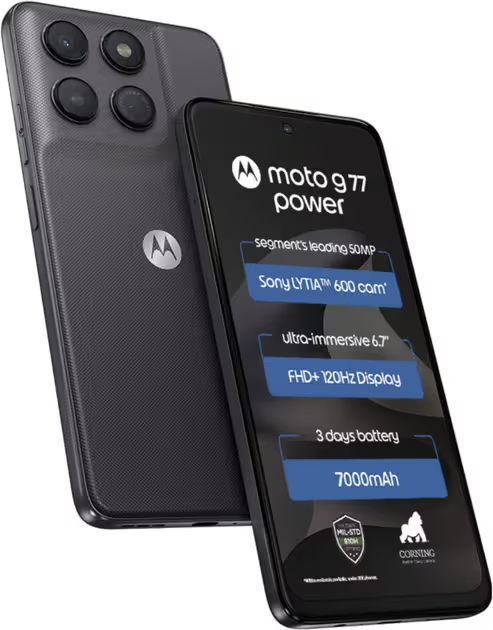
MediaTek Dimensity 6400
120 Hz, LCD
50 MP + 8 MP Camera
32 MP Selfie
7000 mAh | 30W Turbo Charging
595,357 AnTuTu Score
7.2/10
32 MP Selfie
Pros
Huge 7000 mAh battery, 120Hz FHD+ display, 32 MP selfie camera, stereo speakers, expandable storage up to 1 TB
Cons
No OIS, LCD instead of AMOLED, only 30W charging, limited software update support
Verdict
The Moto G77 Power 5G is built around endurance, with its massive 7000 mAh battery being the biggest reason to consider it. The 120Hz FHD+ display, stereo speakers and 32 MP selfie camera also make it a well-rounded everyday phone. Performance from the Dimensity 6400 is decent rather than powerful, while the cameras are capable but lack OIS. The 30W charging is also relatively modest for such a large battery. Overall, it is a sensible choice for users who prioritize battery life and daily usability over flagship-level performance.
OnePlus N6 5G
79 TS Score

MediaTek Dimensity 6360 Apex
120 Hz, LCD
50 MP Camera
8 MP Selfie
8000 mAh | 45W Super Charging
588,309 AnTuTu Score
7.8/10
8000 mAh
Pros
Huge 8000 mAh battery, 120Hz display, IP64 protection, 45W fast charging, stereo speakers
Cons
HD+ LCD resolution, only 4GB RAM on base model, no NFC, heavy at 224g
Verdict
The OnePlus N6 5G is a practical phone built around battery life rather than premium specifications. Its huge 8000 mAh battery, 45W charging, 120Hz display, stereo speakers and IP64 protection make it appealing for everyday users who want endurance and durability. The Dimensity 6360 Apex should handle normal apps, multitasking and casual gaming reasonably well. However, the HD+ LCD panel and modest 4GB base RAM hold it back from feeling truly premium. Overall, it offers strong value if long battery life is your priority.
Vivo Y31 5G
80 TS Score
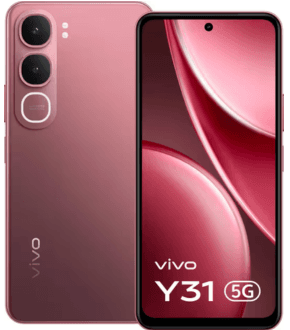
Qualcomm Snapdragon 4 Gen 2
120 Hz, LCD
50 MP + 0.08 MP Camera
8 MP Selfie
6500 mAh | 44W Flash Charging
7.8/10
Pros
Strong durability, big battery, smooth display, expandable storage
Cons
HD+ display only, weak performance, basic cameras, slow storage
Verdict
Vivo Y31 5G is mainly targeted at users who need durability and long battery life. The IP69 rating with shock resistance makes it one of the toughest phones in this segment. The 6500mAh battery easily lasts more than a day, and 44W charging is decent. However, the HD+ display feels outdated compared to FHD+ competitors, and performance is limited for gaming. The camera setup is basic, especially the front camera. Storage type is also slower. Overall, it’s suitable for rough usage and battery-focused users, but not for performance seekers.
Samsung Galaxy M16 5G
79 TS Score

MediaTek Dimensity 6300
90 Hz, Super AMOLED
50 MP + 5 MP + 2 MP Camera
13 MP Selfie
5000 mAh | 25W Fast Charging
7.6/10
Super AMOLED Display
Pros
super AMOLED display, long software support, lightweight design, expandable storage
Cons
average performance, 90Hz only, slow charging
Verdict
Samsung Galaxy M16 5G is a balanced phone mainly focused on long-term usability and display quality. The Super AMOLED panel delivers vibrant colors and a good viewing experience, which is a big advantage in this price range. The biggest highlight is its 6 years of OS and security updates, making it one of the most future-proof phones in the segment. However, performance is just average with the Dimensity 6300, so heavy gaming users might not be fully satisfied. Charging speed is also slower compared to competitors. Overall, it’s a great choice for users who want a reliable daily phone with long software support rather than raw performance.
Xiaomi Redmi 17 5G
77 TS Score

Qualcomm Snapdragon 4 Gen 5
120 Hz, LCD
50 MP + 2 MP Camera
8 MP Selfie
7900 mAh | 45W Turbo Charging
7.6/10
7900 mAh
Pros
Huge 7900 mAh battery, 120Hz refresh rate, Snapdragon 4 Gen 5, IP64 splash and dust resistance, expandable storage up to 2TB
Cons
HD+ resolution on a large 6.9-inch screen, heavy 232g body, secondary 2MP camera is basic, only 8MP selfie camera
Verdict
The Redmi 17 5G stands out mainly for its massive 7900 mAh battery, making it a strong choice for users who prioritise endurance. The Snapdragon 4 Gen 5 should provide capable everyday performance, while the 120Hz display keeps scrolling smooth. However, the 6.9-inch panel is only HD+, which is a noticeable compromise at this price. The cameras are also fairly basic. At ₹23,999, it is best suited to heavy users who value battery life and practical features more than display sharpness or advanced photography.
Samsung Galaxy F70 Pro 5G
84 TS Score
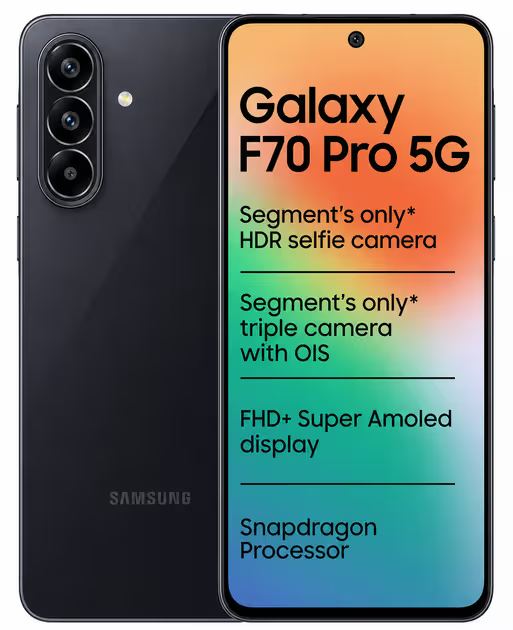
Qualcomm Snapdragon 6 Gen 3
120 Hz, Super AMOLED
50 MP + 5 MP + 2 MP Camera
12 MP Selfie
6000 mAh | 45W Fast Charging
8.2/10
Super AMOLED Display
Pros
120Hz Super AMOLED display, 6000mAh battery, OIS with 4K video recording, 6 years of OS and security updates, expandable storage up to 2TB
Cons
Plastic back, Wi-Fi 5 only, 5MP ultra-wide camera, no wireless charging
Verdict
The Samsung Galaxy F70 Pro 5G is a well-rounded phone with a particularly strong display and battery package. Its 6.7-inch 120Hz Super AMOLED panel, 6000mAh battery and 45W charging make it well suited for everyday multimedia and long usage. The Snapdragon 6 Gen 3 offers solid mid-range performance, while OIS and 4K recording add useful camera capability. The 5MP ultra-wide camera is less impressive, and the plastic build feels less premium. At around ₹26,349, its long software support and overall balance make it a sensible choice.
realme C85
82 TS Score
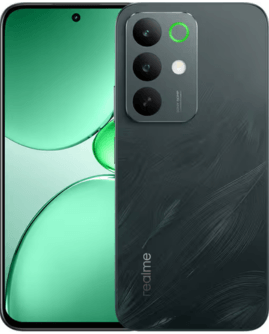
MediaTek Dimensity 6300
144 Hz, LCD
50 MP Camera
8 MP Selfie
7000 mAh | 45W Super VOOC
7.4/10
Pros
Strong durability, massive battery, smooth refresh rate, reliable chipset
Cons
HD+ display only, average camera, no OIS, bulky design
Verdict
realme C85 is a rugged smartphone designed for durability and long battery life. The IP69 and multiple protection ratings make it one of the toughest phones in this segment. The 7000mAh battery ensures excellent backup, easily lasting more than a day. Performance is decent for daily tasks with the Dimensity 6300, but not ideal for heavy gaming. The HD+ display feels outdated compared to competitors offering FHD+. Camera performance is average and lacks OIS. Overall, it’s a solid option for users who need durability and battery over performance.
Realme Narzo 90X
94 TS Score
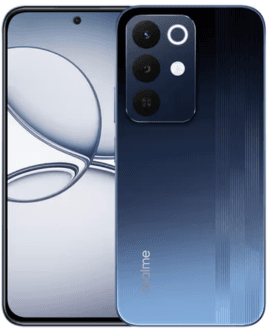
MediaTek Dimensity 6300
144 Hz, LCD
50 MP Camera
8 MP Selfie
7000 mAh | 60W VOOC Charging
8.3/10
Pros
Huge battery, Fast charging, Smooth display, OIS camera
Cons
HD+ display, Heavy weight, eMMC storage
Verdict
Realme Narzo 90X is clearly focused on battery and performance users. The massive 7000mAh battery is one of the biggest highlights in this segment and easily delivers 2 days of usage for most users. The 60W fast charging is also impressive, reducing downtime significantly. The Dimensity 6300 chipset ensures stable daily performance and decent gaming. It also stands out with OIS support in the camera, which improves video stability and low-light shots. However, the HD+ resolution on such a large display feels slightly outdated, and the device is a bit heavy. Still, for battery lovers, it is a very strong option.
Samsung Galaxy F70 5G
76 TS Score
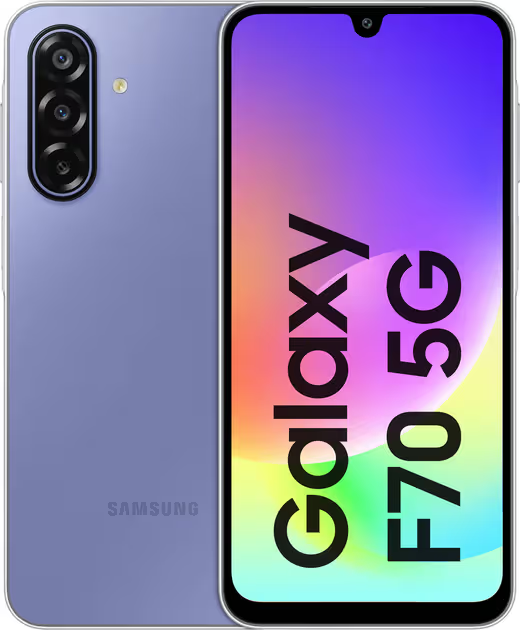
Samsung Exynos 1330
90Hz, Super AMOLED
50 MP + 5 MP + 2 MP Camera
13 MP Selfie
5000 mAh | 25W fast charging
7.5/10
Super AMOLED display
Pros
Super AMOLED FHD+ display, Gorilla Glass Victus protection, OIS on the primary camera, 5000 mAh battery, five years of OS and security updates
Cons
Only 4GB RAM in the base variant, 90Hz instead of 120Hz refresh rate, relatively slow 25W charging, basic 5MP ultrawide and 2MP macro cameras, no 4K video recording listed
Verdict
The Samsung Galaxy F70 5G is a sensible choice for people who want a good display, reliable everyday performance and long software support. Its Super AMOLED screen, Gorilla Glass Victus protection and optically stabilised 50MP main camera are its biggest strengths. The 5000 mAh battery should comfortably suit typical daily use, although charging is not particularly fast. The main drawback is its 4GB RAM, which can limit multitasking. At ₹17,999, it is worth considering, but stronger performance or 120Hz displays may be available elsewhere.
Vivo Y21 5G
77 TS Score
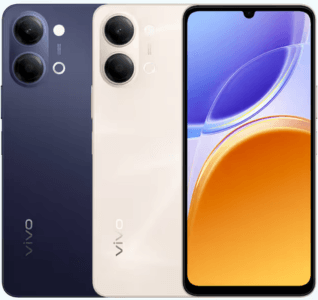
MediaTek Dimensity 6300
120 Hz, LCD
50 MP + 0.08 MP Camera
5 MP Selfie
6500 mAh | 44W Fast Charging
7.2/10
Pros
big battery life, 120Hz display, expandable storage, IP65 protection
Cons
weak selfie camera, HD+ display, average performance
Verdict
Vivo Y21 5G is a basic budget 5G smartphone focused mainly on battery life and essential features. The 6500 mAh battery is a strong advantage, easily lasting more than a day for normal users. The 120Hz display adds smoothness, but the HD+ resolution reduces sharpness compared to competitors. Performance is average with the Dimensity 6300, suitable for daily tasks but not ideal for gaming. The camera setup is very basic, especially the 5MP selfie camera, which feels outdated. Overall, it’s a practical option for users who want long battery life and 5G support at a lower price.
Xiaomi Redmi Note 15 SE 5G
86 TS Score
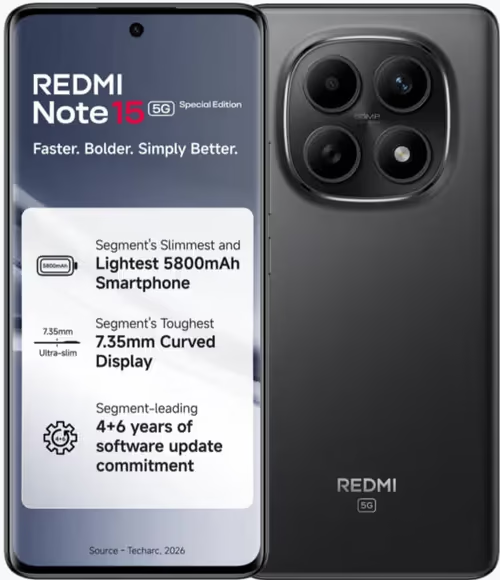
Qualcomm Snapdragon 6 Gen 3
120 Hz, AMOLED
50 MP + 2 MP Camera
20 MP Selfie
5800 mAh | 45W Turbo Charging v3.0
8.4/10
120Hz AMOLED
Pros
Excellent AMOLED display, large silicon-carbon battery, OIS and 4K video, long software support
Cons
No NFC, UFS 2.2 storage, average secondary camera, no autofocus on selfie camera
Verdict
The Redmi Note 15 SE 5G is a well-rounded phone that puts its biggest strengths in the display, battery and software support. The 6.77-inch 120Hz AMOLED panel with 3200 nits brightness is particularly impressive, while the 5800mAh silicon-carbon battery should offer strong endurance. The Snapdragon 6 Gen 3 provides capable everyday performance, and OIS plus 4K recording make the main camera more versatile. However, the 2MP secondary camera and UFS 2.2 storage are less impressive. At around ₹24,799, it offers solid overall value, especially for display and battery-focused buyers.
Gaming Phones Under 25,000 Key Highlights
realme P4x
₹22,875
MediaTek Dimensity 7400 Ultra
6.72 inches, 144Hz, LCD
50 MP + 2 MP
7000 mAh | 45W Super Charging
8 MP Selfie
POCO M8
₹23,420
Snapdragon 6 Gen 3
6.77 inches, 120Hz, AMOLED
50 MP + 2 MP
5520 mAh | 45W Fast Charging
20 MP Selfie
Moto G57 Power
₹21,999
Qualcomm Snapdragon 6s Gen 4
17.07 cm, 120Hz, FHD+
50 MP + 8 MP
7000 mAh | 33W Turbo Charging
8 MP Selfie
Lava Virat Curve 5G
₹22,999
MediaTek Dimensity 7100
6.67-inch AMOLED Curved Display, 120Hz
50 MP
6000 mAh | 45W Quick Charging
13 MP Selfie
Moto g max 5G
₹21,499
Qualcomm Snapdragon 6s Gen 4
6.72 inches, 120Hz, FHD+ LCD
50 MP + 8 MP
7000 mAh | 30W Turbo Charging
32 MP Selfie
Nothing Phone 3a
₹24,999
Qualcomm Snapdragon 7s Gen 3
6.77 inches, 120Hz, AMOLED
50 MP + 8 MP + 50 MP
5000 mAh | 50W Fast Charging
32 MP Selfie
Infinix Hot 70 Pro 5G
₹22,449
MediaTek Dimensity 7100
6.76 inches, 144Hz, FHD+ LTPS LCD
50 MP Sony IMX882
6000 mAh | 45W Fast Charging
8 MP Selfie
Oppo K13 5G
₹21,999
Qualcomm Snapdragon 6 Gen 4
6.67 inches, 120Hz, AMOLED
50 MP + 2 MP
7000 mAh | 80W Super VOOC
16 MP Selfie
POCO M8 Power 5G
₹22,482
Qualcomm Snapdragon 4 Gen 4
6.83 inches, 120Hz, AMOLED
50 MP + 2 MP
8000 mAh | 45W Fast Charging
8 MP Selfie
Xiaomi Redmi 17C 5G
₹20,687
MediaTek Dimensity 6300
6.9 inches, 120Hz, IPS LCD
50 MP
6000 mAh | 33W Hyper Charging
8 MP Selfie
Oppo K14 5G
₹23,649
MediaTek Dimensity 6300
6.75 inches, 120Hz, LCD
50 MP + 2 MP
7000 mAh | 45W Super Charging
8 MP Selfie
Samsung Galaxy A17 5G
₹23,870
Samsung Exynos 1330
6.7 inches, 90Hz, AMOLED
50 MP + 5 MP + 2 MP
5000 mAh | 25W Fast Charging
13 MP Selfie
Latest Mobile Phones
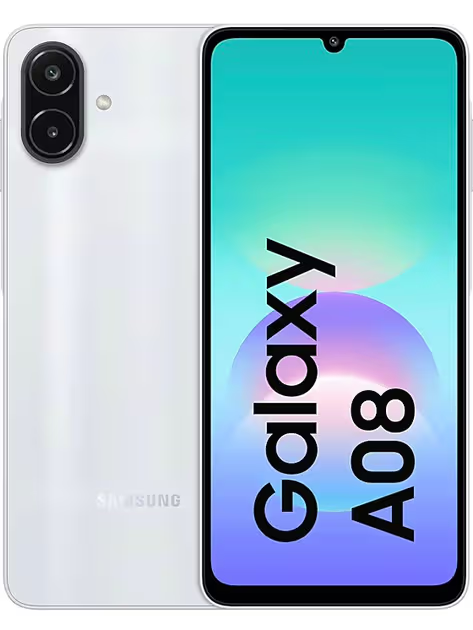
Samsung Galaxy A08
₹17,490
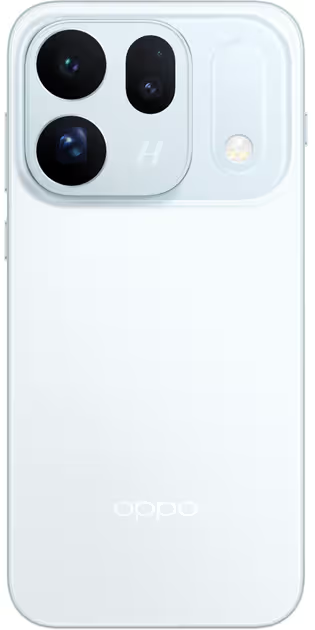
OPPO Find X10
₹1,39,999
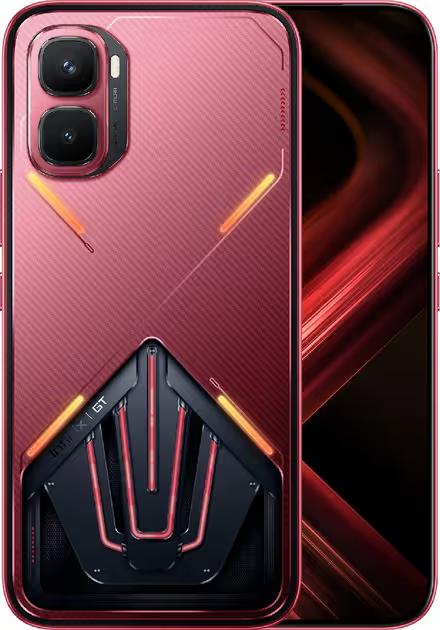
Infinix GT 50 Pro
₹69,999
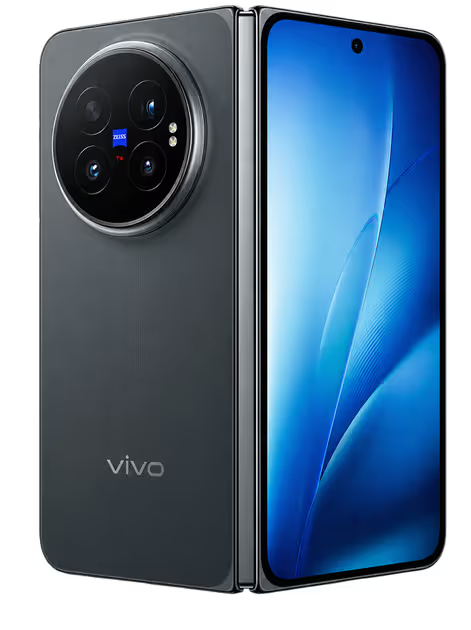
vivo X Fold 6
₹2,19,999

vivo V80 5G
₹62,999

Ai+ Pulse 2 FE 4G
₹10,999

vivo S2 FE 5G
₹38,999

OPPO F35
₹38,999

OPPO F35 Pro 5G
₹41,999

Samsung Galaxy M08
₹16,999
Upcoming Mobile Phones
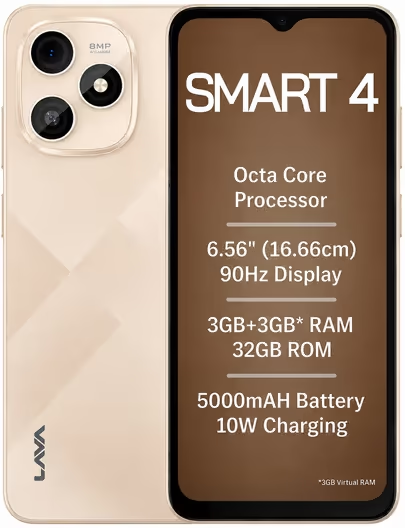
Lava Smart 4 4G
₹8,499

Itel Zeno F30 5G
₹12,499